

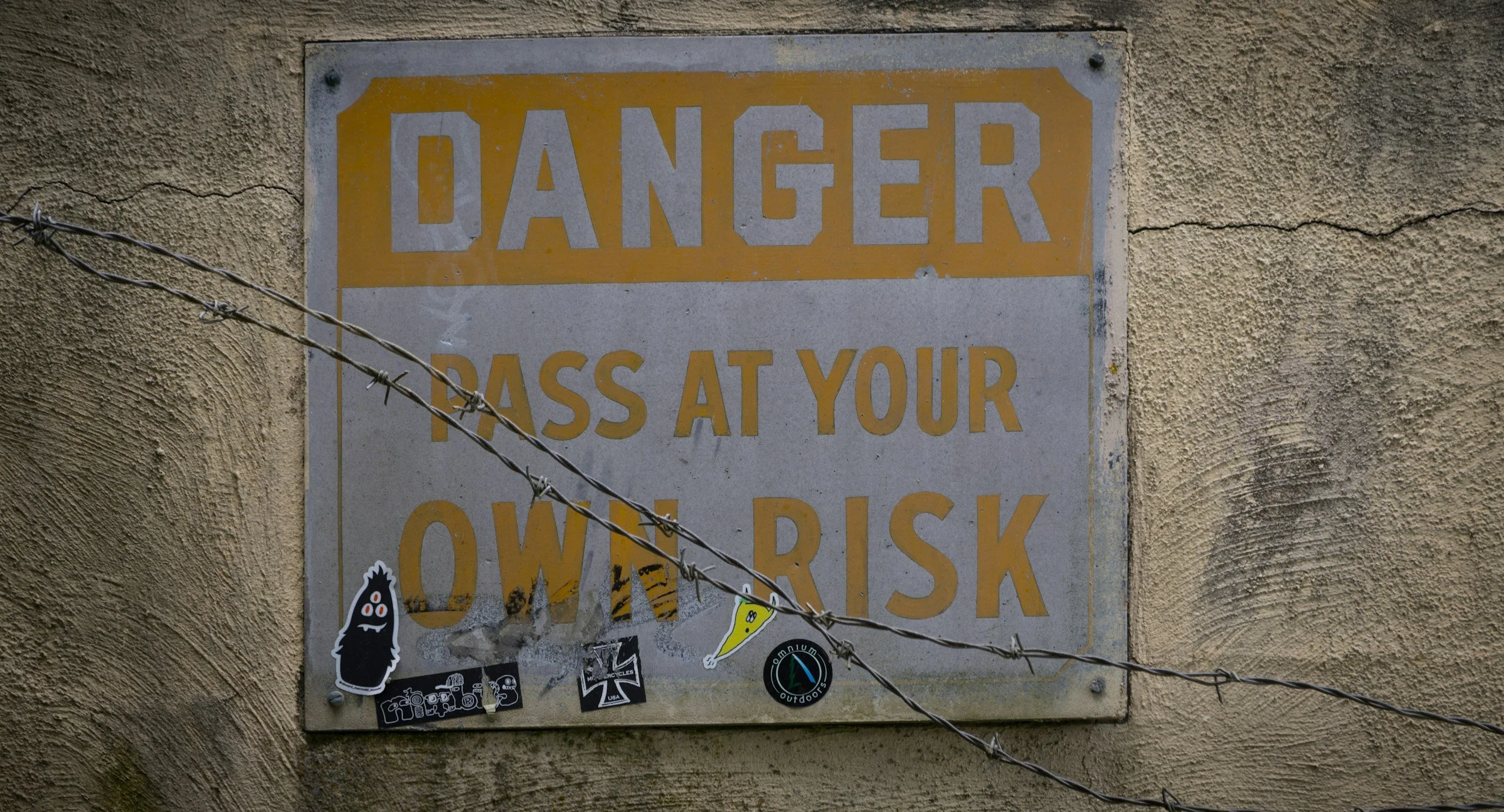
When Containment Becomes Strategy
Leadership Question: What risk are we choosing to accept by not fixing this now?
Recurring problems are rarely invisible.
They persist because leadership has chosen—explicitly or implicitly—to live with them.
Containment feels responsible. It buys time and protects output.
But over time, repeated containment becomes a strategic position: this risk is acceptable.
The Gemba shows us the truth early.
The absolute failure occurs when leadership stops revisiting the decision behind the risk.
If a problem keeps coming back, the question is no longer technical.
It’s strategic.

What Your Metrics Are Quietly Teaching Your Team
Leadership Question: What behavior are our metrics currently rewarding?
Teams do exactly what systems reward—especially when leadership isn’t watching.
Metrics don’t just measure performance.
They shape behavior.
If speed is rewarded and quality is tolerated, speed will win.
If heroics are praised, firefighting will multiply.
When leaders are surprised by outcomes, it’s usually because they haven’t examined the incentives they created.
The Gemba reveals what your metrics are really teaching.

“Everyone Owns It” Is Usually the Problem
Leadership Question: Who is accountable for determining whether this problem can recur?
Shared ownership sounds collaborative.
In practice, it often means no one has the authority to make the decision.
When problems recur, ask who had the mandate to stop them—not who noticed them.
Clarity of ownership is not about blame.
It’s about decision rights.
If escalation goes nowhere, leadership has already made a choice.